Minggu, 07 Februari 2010

Celtic Tattoo Art

Celtic Tattoo Art Celtic Tattoo Art


Celtic Tattoo Art Celtic Tattoo Art


Celtic Tattoo Art Celtic Tattoo Art


Celtic Tattoo Art Celtic Tattoo Art

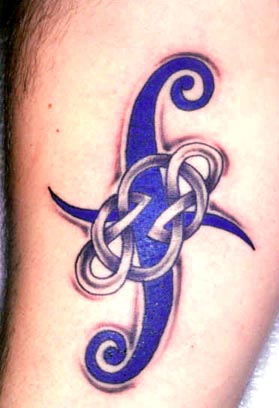
Celtic arts have been increasingly popular over the recent years. They have a long history that goes back to ancient times. They have been powerfully persuasive for many tribes and represented a number of different tribes and group. Celtic tattoo art is part of illustrations that accompanied biblical manuscripts in the 4th and 5th century. Christian priests tried to look at visual styles and incorporated both the pagan history of the Celts and traditional symbol of Christianity for religious conversation.

Ideas For Celtic Tattoos

Celtic Tattoos Celtic Tattoos


Celtic Tattoos Celtic Tattoos


Celtic Tattoos Celtic Tattoos


Celtic Tattoos Celtic Tattoos

Celtic crosses are also popular as tattoos. They can be used, like other crosses, as a Christian symbol, but they also have other meanings, as the cross actually predates Christianity as a symbol. The Celtic cross is also called the equal-armed cross, as the horizontal and vertical lines are of equal length represents balance between opposing forces.

Spiral Pattern Tattoos

Spiral Pattern TattoosSpiral Pattern Tattoos


Spiral Pattern TattoosSpiral Pattern Tattoos


Spiral Pattern TattoosSpiral Pattern Tattoos


Spiral Pattern TattoosSpiral Pattern Tattoos


The Celtic people and artists loved spiral patterns. They were never ending series of lines that would wrap back into themselves creating a never ending pattern. Again it was seen as part of a spiritual journey. They of course would represent this journey in the lines but also the artists who would create these intricate and beautiful patterns were going through this spiritual journey by making the spiral patters. These are typically done in a series of three of a multiple of three. The Celtics believed that all important things in life came in threes: such as birth, death and rebirth or the body, should and the mind. The Celtic believed that this represented a never ending cycle that kept returning back into itself.